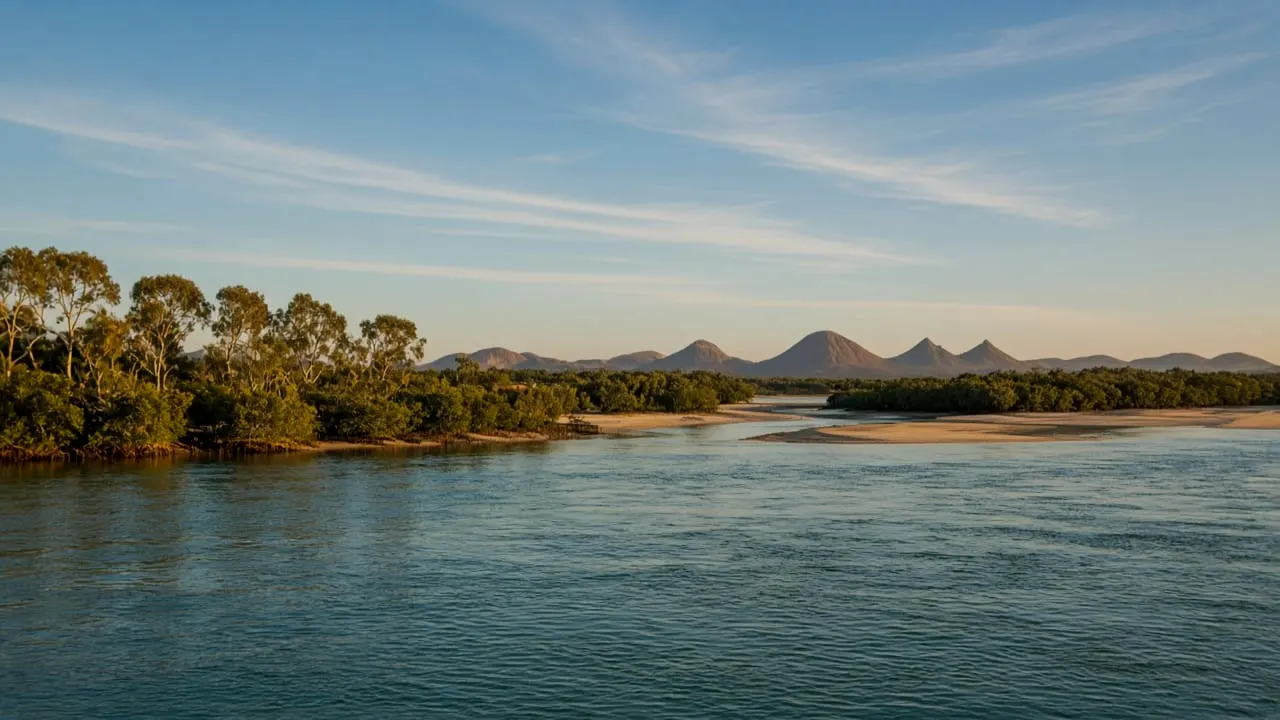
Bribie Island rewards a slower plan more than a packed itinerary. The island is long and thin, with townships clustered toward the southern half and a much larger national park and recreation area to the north. You can have a complete day without leaving sealed roads. You can also spend a day seeing almost nobody once you pass the last car park at Woorim or White Patch — if, and only if, you have checked how Queensland Parks and Wildlife Service currently manages that ground.
This page is the planning menu. It does not rank operators, invent tours, or recycle old directory advertising. Heritage activity names from the previous site are kept as historical mentions. Confirm anything commercial yourself.
A direct answer
On a first visit, most people combine a western-passage walk at Bongaree or Bellara with time on Woorim’s ocean beach, then decide whether they have the vehicle, tide window and permit to go further into Bribie Island National Park. Add birdwatching, a museum or arts stop in the township, and a simple meal in a local precinct. That is a full island day without a tour booking.
Township days: the island you can walk
Bongaree is the arrival township after the bridge. Benabrow Avenue and the passage foreshore are the practical centre of gravity: visitor information has long been listed here, and the water looks toward Pumicestone Passage rather than the open Pacific. It is the right place to reset after the highway, buy water, and decide whether the day turns east to the surf or north to the park.
Bellara and Sylvan Beach continue the western shoreline. The mood is residential and tidal. Banksia Beach and the Pacific Harbour canals sit further along the same settled pattern — golf, waterways, and streets that still feel like a suburb that happens to be on an island. White Patch faces the passage at the edge of the park system; QPWS notes a recreation-area entry from the northern end of White Patch Esplanade. That sentence should change how you park. Beyond the last formed street, you are no longer on an ordinary council run.
Woorim is the ocean township. If someone in Brisbane says “Bribie beach”, they usually mean this side: a long east-facing surf beach with a patrolled area in season. Patrol hours and flag positions change. Check Surf Life Saving Queensland and the local club information on the day, and do not transfer that sense of safety onto the unpatrolled park beach further north.
Water without a four-wheel drive
You do not need a recreation-area permit to look at water. The passage is the island’s daily theatre: wind against tide, mangrove edges, wading birds, and, on clear days, the Glass House Mountains stacked on the mainland. QPWS notes that dugong feed on seagrass communities here. Go slowly if you are in a boat, and stay out of seagrass beds.
The old directory listed BBQ boat hire, other boat hire, and cruises. Those names survive on this site as heritage mentions only. If you want to be on the water, use a current, licensed operator you have verified, or launch your own craft according to maritime and marine-park rules. This guide will not pick a company for you.
Swimming on the passage side is a different calculation from the surf. Water is typically calmer, but it is still tidal, still a working waterway, and still subject to water-quality notices. Moreton Bay can see Lyngbya blooms from late spring to mid-autumn. QPWS says contact can irritate skin, eyes and respiration. If a bloom notice is up, stay out.
The national park day
Bribie Island National Park and Recreation Area is the reason many people keep coming back. Official park writing lists bushwalking, birdwatching, fishing, boating, low-key camping and four-wheel driving. Spring wildflowers in the heath are a seasonal draw. Freshwater lagoons sit behind the eastern dunes. Fort Bribie and other WWII structures remain in the dunes toward the north — weathered gun emplacements and searchlight buildings from a coastal-defence system, not a theme-park reconstruction.
Walks exist that do not require driving the full Ocean Beach route, but access still depends on current track conditions and which entries are open. Carry drinking water. QPWS is blunt: drinking water is not available at camping or day-use areas, and you should be self-sufficient once you leave town. Take rubbish out. Stay on tracks and off the foredunes — shorebirds nest on sand, and marine turtles bury eggs in it.
The 2022 breakthrough near the northern end is not a curiosity to scramble over. It is a managed, fragile piece of a Ramsar site. Dogs, fires and camping are prohibited on that breakaway section. Check park alerts before you invent a loop that assumes the island is still a single continuous beach.
Beach driving is an activity — with paperwork
Four-wheel driving on Ocean Beach is a genuine Bribie activity and a genuine regulatory environment. A vehicle access permit must be purchased before you enter the recreation area. Number-plate cameras are in use. High-clearance 4WD or 6WD with low range is specified. Two-wheel drives are prohibited. Tides matter: QPWS advises travelling as close to low tide as possible and avoiding the three hours either side of high tide on Ocean Beach.
None of that is optional colour. The 4WD beach page exists so this hub does not bury the rules under a list of “fun ideas”. If your group does not have the right vehicle, pick a township and passage day instead. That is still a good Bribie day.
Heritage activities, kept without the old sales copy
The previous site catalogued bowls clubs, golf clubs, a twin cinema, a spa, gliding, skydiving, electric bike hire, an aquatic leisure centre, Melsa Park, galleries and the community arts centre. Those slugs still resolve. What they do not do is claim a current phone number, a green fee, or a session time.
Read them as a map of how the island has been used: sport and community venues in the townships, hire and tour businesses aimed at visitors, and public-facing culture such as the seaside museum and arts centre. Where a venue is clearly a public institution, confirm today’s hours on its own site or through Moreton Bay’s official visitor channels. Where it is a private operator, assume nothing.
Sandstone Point Hotel appears in the old activity list even though it sits on the mainland side of the bridge. That is useful geographically — many island days begin or end on the approach road — and still not a review.
A simple way to build the day
If you have a morning only, stay west: passage foreshore, a short township walk, and a look at the water toward the mountains. If you have a full day and no 4WD, add Woorim and leave the park tracks for another trip. If you have a high-clearance vehicle, a permit already purchased, and a tide window, the Ocean Beach drive can be the spine of the day — with camping or a picnic only where QPWS currently allows it.
Families often want shade, toilets and a clearly patrolled swim. That points to township foreshores and Woorim’s flagged area, not the park ocean beach. Photographers often want the long eastern sand and the chance of ships in the shipping channel; that can be done from Woorim without entering the recreation area, or from the park with the right setup. Anglers should read fishing before they pick a shoulder of sand at random.
What not to squeeze into one afternoon
Do not try to “do the whole island” as if it were a single headland loop. The Ocean Beach drive alone is described as about 23 kilometres one way with a suggested driving time around 50 minutes — and that is driving time, not walking, fishing, or waiting on a tide. Add the highway from Brisbane and you have used the day.
Do not treat WWII ruins as climbing frames. Do not fly a drone over shorebird roosts because the sky looks empty. Do not walk dogs into the northern breakaway. Do not assume a heritage “adventure tour” listing will meet you in the car park.
After the activity, the next page
Use beaches to choose where to swim. Use getting here if the remaining question is the bridge, the bus, or where to park the idea of a car-free day. Use accommodation if the activity list has already talked you into staying the night. And if you only remember one official habit, make it this: check park alerts on the morning you go.